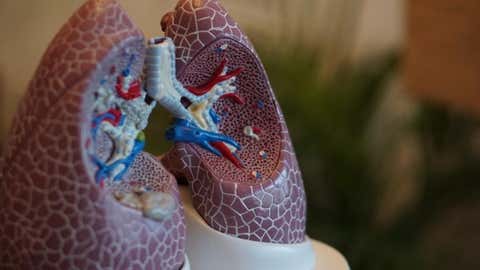
Long COVID and lung damage
(IANS)
Although the COVID pandemic has abated, survivors of the virus continue to experience a range of post-acute respiratory complications, according to doctors.
Dr. Manisha Mendiratta, Head of Department and Senior Consultant in Pulmonology at Sarvodaya Hospital, noted that many individuals still grapple with persistent shortness of breath and cough, even months after their initial infection.
Additionally, some have developed conditions such as pulmonary fibrosis, a progressive and debilitating disease. Bronchiectasis, where the airways become damaged and widened, is also emerging as a significant issue.
These lung-related complications necessitate long-term monitoring and management.
Dr. Mendiratta emphasised the surge in post-acute respiratory issues in COVID-19 patients, which were relatively rare before the pandemic. Conditions like post-acute sequelae of SARS-CoV-2 infection (PASC) can lead to interstitial lung abnormalities, pulmonary fibrosis, or bronchiectasis, seriously impacting a patient's quality of life and requiring ongoing medical management.
She further explained that COVID-19 can damage the lungs in various ways, even in mild cases. The virus can cause inflammation in the airways and lung tissue, leading to scarring or fibrosis, reduced lung function, and persistent breathing difficulties. Some individuals may experience chronic coughing, shortness of breath, or a decreased ability to exercise.
While there is ongoing research and clinical trials to better understand and treat long COVID pulmonary complications, there is no definitive medical solution at this time. Patients often require a multi-disciplinary approach, including pulmonary rehabilitation, medications to manage symptoms and lifestyle modifications. The prognosis varies depending on the severity of complications, and some patients may need to manage these issues for an extended period or even lifelong.
Dr. Mendiratta stressed the importance of ongoing research to improve understanding and develop more effective treatments for long COVID pulmonary complications.
**
The above article has been published from a wire source with minimal modifications to the headline and text.