
Pranayama is the starting point of your journey towards inner balance and well–being
Pranayama is an ancient practice of breath control and regulation that is an integral part of yoga. The word "pranayama" is derived from two Sanskrit words: "prana," meaning life force or vital energy, and "ayama," meaning extension or expansion. Together, pranayama refers to the conscious and intentional manipulation of breath to enhance and balance the flow of life force within the body. The practice of pranayama is deeply rooted in traditional Indian philosophy, particularly in the yogic and Ayurvedic traditions. It is considered one of the eight limbs of yoga, as outlined by the sage Patanjali in the Yoga Sutras. Pranayama techniques aim to harmonise the body, mind, and spirit by regulating the breath, which is seen as a bridge between the physical and mental aspects of an individual.
Types Of Pranayama Breathing Techniques And Their Benefits
Pranayama, the art of conscious breath control, encompasses various techniques that offer a range of physical, mental, and spiritual benefits. It can be practiced in multiple ways.
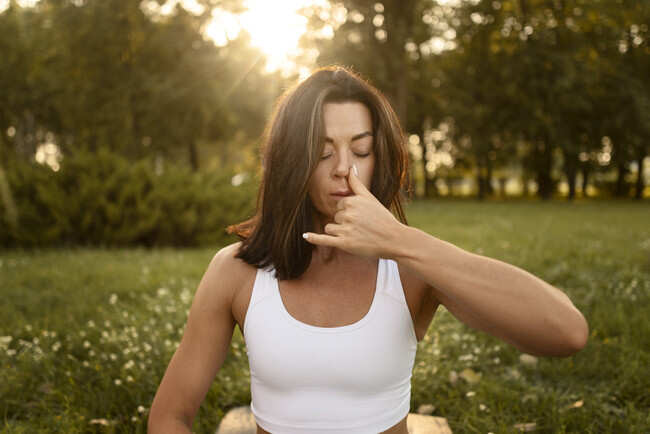
Nadi Shodhana (Alternate Nostril Breathing) involves alternating the breath between the left and right nostrils, promoting balance and clearing the energy channels. Nadi Shodhana encourages slow, rhythmic breathing, leading to improved respiratory efficiency. It helps in expanding lung capacity, increasing oxygen intake, and expelling carbon dioxide more effectively.
Dirga Pranayama, also known as the "Three–Part Breath" or "Complete Breath," is a foundational yogic breathing technique that encourages full and conscious breathing. This practice involves deep inhalation and exhalation, dividing the breath into three distinct parts to engage the entire respiratory system. The deep, rhythmic breathing induces a relaxation response, helping to alleviate stress and calm the nervous system.
Kapalabhati, known as Skull Shining Breath, involves forceful exhalations followed by passive inhalations. This dynamic practice is believed to cleanse the lungs, increase oxygen supply, and invigorate the body, making it an excellent energizing tool.
Bhramari, or Bee Breath, entails producing a humming sound during exhalation. This calming technique is renowned for soothing the nervous system, reducing stress, and promoting mental focus.
Bhastrika Pranayama, often referred to as the "Bellows Breath," is a powerful yogic breathing exercise that involves rapid and forceful inhalation and exhalation. The name "Bhastrika" is derived from the Sanskrit word "bhastrika," which means bellows. This pranayama technique is characterized by its dynamic and vigorous nature, resembling the pumping action of a blacksmith's bellows. It is beneficial for improved respiratory function, stress relief, stimulation of the digestive system and detoxification.
Ujjayi, the Victorious Breath, involves breathing with a gentle constriction in the throat, resulting in an oceanic sound. This method not only enhances concentration but also encourages mindfulness during yoga practice, creating a meditative experience.
Viloma Pranayama, often translated as "Against the Wave" or "Interrupted Breath," is a breathing technique that involves consciously interrupting the natural flow of the breath during inhalation and exhalation. Unlike continuous and smooth breathing, Viloma Pranayama introduces pauses or breaks in the breath cycle. The benefits include enhanced lung capacity, improved concentration, a calming effect and balancing energy.
Sheetali, the Cooling Breath, employs inhaling through a rolled tongue or pursed lips, creating a cooling effect. This pranayama is revered for reducing body heat, alleviating stress, and calming the mind.
Health Benefits of Pranayama
Improved Respiratory Function:
Pranayama emphasizes conscious and controlled breathing, enhancing lung capacity and efficiency. This can lead to improved respiratory function, increased oxygen intake, and better removal of carbon dioxide from the body.
Stress Reduction:
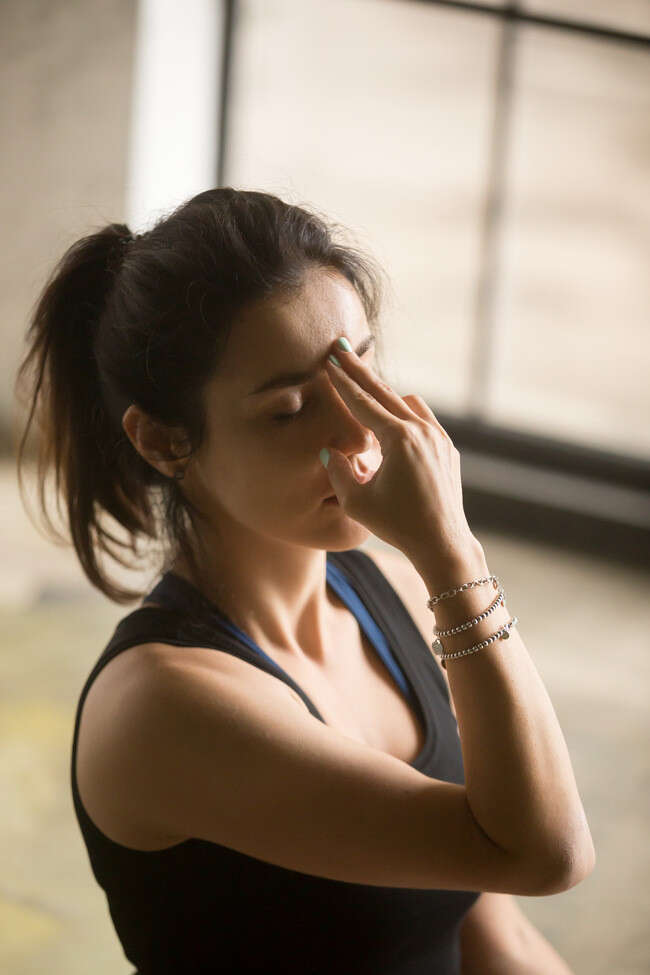
Many pranayama techniques activate the parasympathetic nervous system, triggering the body's relaxation response. This can help reduce stress, anxiety, and tension, promoting a sense of calm and overall well–being.
Enhanced Mental Clarity and Focus:
Pranayama practices, such as Nadi Shodhana and Ujjayi, involve focused and deliberate breathing patterns that can improve concentration, mental clarity, and cognitive function. This heightened awareness can positively impact daily activities and tasks.
Balanced Energy Flow:
Pranayama is believed to balance the flow of prana (vital energy) throughout the body. By regulating the breath, practitioners aim to harmonize the energy centers and channels, promoting physical and mental equilibrium.
Detoxification:
Deep and rhythmic breathing in pranayama helps in removing stagnant air and toxins from the lungs. The increased oxygenation and improved circulation contribute to the body's natural detoxification processes.
Better Sleep: Pranayama, especially when practiced before bedtime, can have a calming effect on the nervous system, aiding in relaxation and promoting better sleep. Techniques like Bhramari and Sheetali are particularly beneficial for this purpose.
Improved Cardiovascular Health:
Controlled breathing practices can have a positive impact on heart health. Pranayama may help regulate blood pressure, reduce the risk of cardiovascular diseases, and improve overall circulation.
Boosted Immune System:
The increased oxygenation resulting from pranayama practices can enhance immune function. A well–oxygenated body is better equipped to fight off infections and maintain overall health.
Emotional Balance:
Pranayama is not only about physical breath control but also about regulating emotional states. Practices like Bhramari, for instance, are known for their calming effect on the mind and emotions, helping to manage stress and mood swings.
Enhanced Mind–Body Connection:
The conscious focus on the breath in pranayama encourages a deeper connection between the mind and body. This heightened awareness can lead to a greater sense of self and mindfulness in everyday life.
FAQs About Pranayama
What is Pranayama class 12?
Pranayama refers to a specific topic within the curriculum of physical education or yoga. Class 12 students often encounter Pranayama as part of their studies in schools or educational boards that incorporate yoga and holistic health practices into the academic syllabus. Pranayama at this level typically involves the theoretical understanding and practical application of various yogic breathing techniques. As part of holistic education, the inclusion of Pranayama in Class 12 aims to introduce students to ancient yogic practices that contribute to a healthy lifestyle. Understanding the science behind breathing techniques can empower students to incorporate mindful practices into their daily routines, promoting overall well–being.
What is the Pranayama 8th standard?
In the 8th standard, students are typically introduced to the basics of Pranayama as part of their physical education or yoga curriculum. At this level, the focus is on building a foundational understanding of yogic breathing techniques and their potential benefits for physical and mental health. The inclusion of Pranayama in the 8th standard curriculum aligns with a holistic approach to education, aiming to introduce students to practices that promote not only physical fitness but also mental and emotional well–being. These foundational teachings set the stage for a deeper exploration of yogic practices in subsequent academic years.
Who is the king of all Pranayamas?
Among the various pranayamas, Kapalabhati is often referred to as the "king of all pranayamas." Kapalabhati, which translates to "Skull Shining Breath," is a dynamic and invigorating breathing technique. In Kapalabhati, forceful exhalations are followed by passive inhalations, creating a rapid and rhythmic pumping action. The emphasis is on the exhalation, generated by quick contractions of the abdominal muscles. Kapalabhati is considered a heating pranayama, generating internal warmth in the body. This can be particularly beneficial for stimulating digestion and metabolism. The energizing and purifying effects of Kapalabhati contribute to its reputation as a comprehensive and powerful pranayama practice.
Which pranayama is the best?
The "best" pranayama can vary based on individual needs, health conditions, and goals. Different pranayamas offer unique benefits, and the choice of which one is "best" depends on the specific outcomes one is seeking. The choice of the "best" pranayama should be guided by personal preferences, health considerations, and the specific goals of the individual. It's advisable to learn pranayama under the guidance of a qualified yoga instructor, especially for beginners.
Can we do pranayama daily?
Yes, practicing pranayama daily is generally considered beneficial for overall health and well–being. Incorporating a regular pranayama practice into your daily routine can offer a range of physical, mental, and emotional benefits.




