Air pollution in Delhi-NCR remains at a dangerous level. Pollutants in the air are affecting our health in many ways. A study published in the international journal MDPI of Environmental Research and Public Health claims that air pollution increases the risk of tuberculosis (TB). The study, conducted on the basis of a model, found that the risk of getting TB increases by two to three times if exposed to PM10 and NO2 found in polluted air for a long time. Researchers from Rutgers University in the United States have also confirmed this fact through their research. According to this study, PM 2.5 particles present in the air enter the lungs and damage the cells that fight the TB bacteria in our lungs.
According to the Global TB Report 2023, released recently by WHO, TB cases are found in every part of the world. But more than two-thirds of the TB cases in the whole world were found in India, China, Bangladesh, Congo, Indonesia, Nigeria, Pakistan and Philippines.
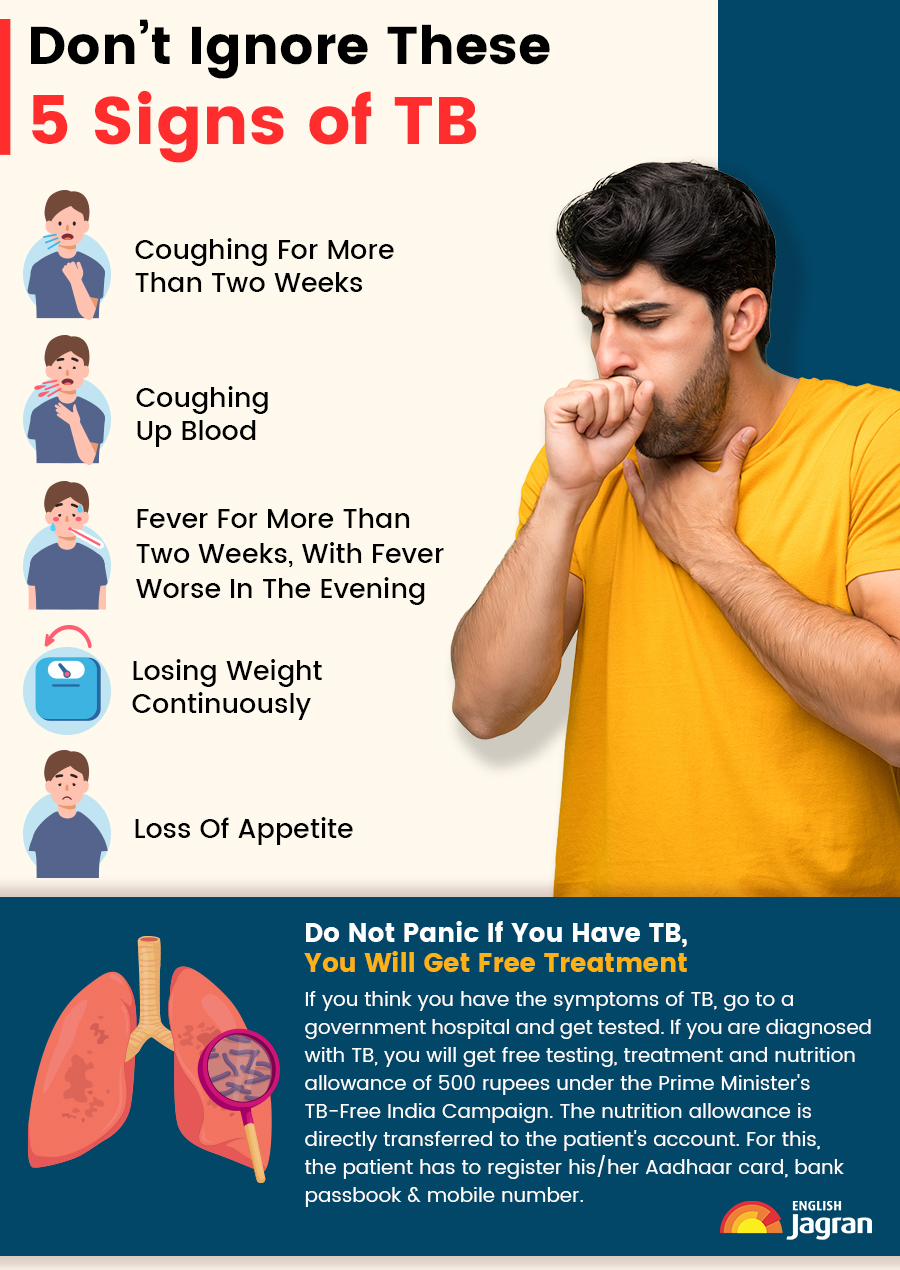
According to the WHO report, a total of 1.3 million people died from TB in 2022. In 2022, TB was the second most contagious and deadly disease in the world after Covid-19. According to the report, about one-fourth of the global population is infected with TB bacteria, but only 5 to 10 per cent of people show symptoms. The risk of getting TB increases several times if there is air pollution or any other type of disease, such as diabetes, heart or liver disease, blood pressure, among others.
Every year, people living in Delhi and surrounding areas have to contend with hazardous air pollution before the onset of winter. Dr VK Arora, Chairman of the Tuberculosis Association of India, says pollution weakens the immune system of our lungs. The lungs have macrophages, which are cells that kill TB bacteria that come in with the breath. It is important to note that TB is a disease that spreads through the breath. When macrophages are weakened, TB bacteria are able to spread infection in the lungs. Many studies have shown that the risk of TB increases many times in patients who already have respiratory diseases. In particular, patients with bronchitis or chronic obstructive pulmonary disease (COPD) are three to four times more likely to develop TB when exposed to polluted air.
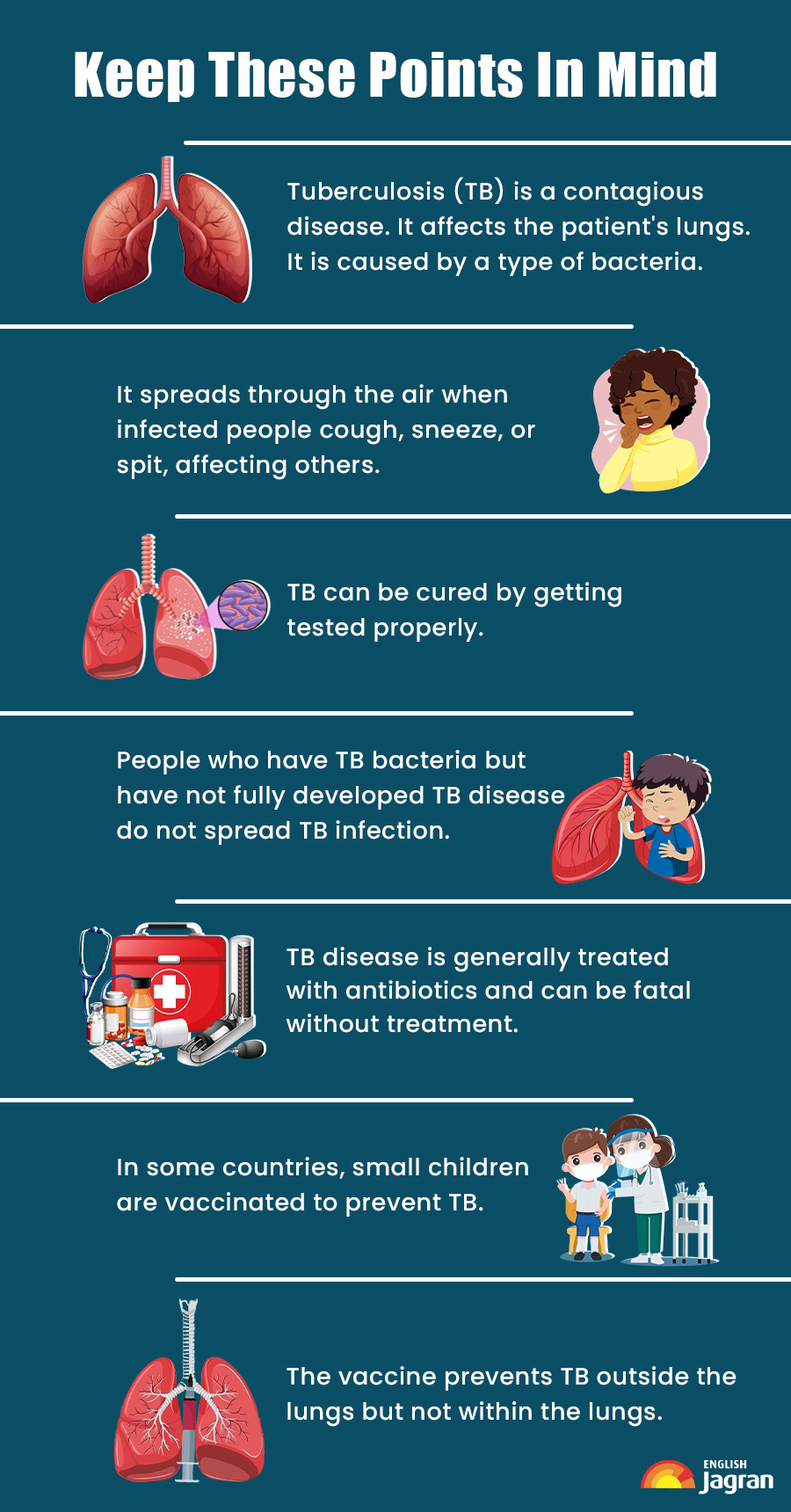
Compared to other cities in the country, people living in Delhi and its surrounding areas are at a higher risk of contracting tuberculosis. Dr Suryakant, head of the respiratory medicine department of King George's Medical College in Lucknow and head of the North Zone of the Task Force of the Prime Minister's TB Free India Campaign, says that according to statistics, about 30 lakh new TB patients are reported in India every year. On the other hand, if Lucknow and Delhi are compared, three times more TB patients are reported in Delhi every year than in Lucknow. The main reason for this is air pollution. Air pollution is a major factor in the spread of TB. In fact, the particles present in polluted air enter our lungs through our breath and cause inflammation in the bronchial tubes. Wounds also occur in many places. In such places where there is a wound or inflammation, the TB bacteria starts to grow very rapidly. This increases the risk of getting TB. That is why people who smoke cigarettes or live in areas with high air pollution are at a two-fold higher risk of TB than normal people.
Tuberculosis is a respiratory disease. According to the National Tuberculosis Institute, more than 40 per cent of the population in India have tuberculosis bacteria in their bodies. Dr Ishwar Gilada, Secretary General of the Organized Medicine Academic Guild, says that when a person lives in a place with severe air pollution, the particulate matter in the air affects the health of their lungs. These pollutants reduce the resistance of the lungs. Meanwhile, the PM 2.5 particles present in polluted air are so small that they can pass through the lining of the lungs and enter the bloodstream. This can damage the lungs and other parts of the body. To prevent tuberculosis, it is important to avoid going outside when there is a lot of pollution. If possible, install an air purifier at home. In case of a sore throat or burning in the chest, people can take anti-allergic drugs on the advice of a doctor.
(Note: This story has been translated by Ankit Kumar for Jagran English.)