
Amid COVID-19 Surge, India Logs 142 New Active Cases
Photo : iStock
COVID’s newest variant, JN.1, has heightened worries regarding a possible outbreak. Given our past experiences with the severity of COVID, any rise in cases linked to a specific variant raises alarm and puts people on alert. To understand the potential impact of this variant and to learn about the signs of infection and the right precautions, we spoke to prominent doctors. Let's delve directly into this topic.
Table of Contents
What is JN.1 variant?
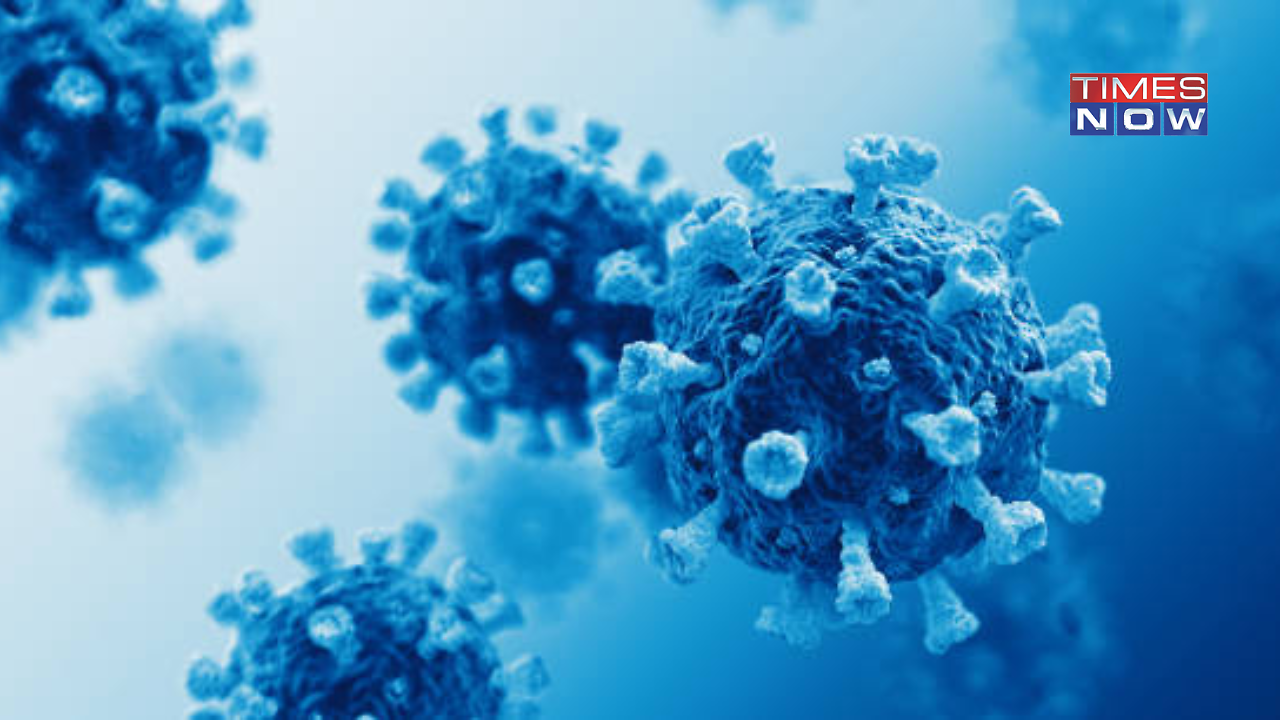
The JN.1 sub-variant was first detected in Luxembourg and since then has been identified in several countries. Reports suggest it is a descendant of the Pirola variant (BA.2.86), a sub variant of Omicron. The new variant has several unique mutations in its spike protein, which gives it an advantage over the previous variants, as is the case with most mutated viruses. It can bind to cells stronger than other Omicron sub variants.
What are the symptoms of the new COVID variant?
Dr Nidhin Mohan, Consultant Internal Medicine, Narayana Health City Bangalore stresses the importance of vigilant observation of COVID symptoms, especially in the high-risk population.
The new JN1 variant shares similar symptoms with the BA variant, such as cough, cold, throat pain, headache, loose motions, and occasional mild breathlessness. Although the name differs genetically, it is not significantly distinct from the BA variants; they remain mild in nature,” shares Dr. Sushila Kataria, Senior Director, Internal Medicine, Medanta, Gurugram.
Talking about worrying symptoms of COVID, Dr. Lancelot Mark Pinto, Consultant Pulmonologist and Epidemiologist, P. D. Hinduja Hospital & Medical Research Centre, Mahim shares, "The worrying symptoms for COVID include shortness of breath, worsening cough, fever that doesn’t get better in 2-3 days, drop in oxygen levels. In addition, any change in level of alertness, chest pain or breathing pattern should not be taken lightly as elderly individuals can manifest in varying ways."
What to do in case you develop symptoms?
In view of some increase in the number of COVID cases being reported in various countries including India, Dr Sandeep Budhiraja, Group Medical Director, Max Healthcare recommends everyone to be alert and ensure that everyone follows the simple practices if a person has any of the symptoms. “You should wear masks and avoid coming into crowded congested places. We need to keep a high level of alert and quarantine yourself if you have infection and follow practices to prevent infections to spread to others.”
Presently, the risk of escalation appears low due to similarities between the JN1 and BA variants. However, exercising caution is still advised.
Dr Lancelot adds, “Avoiding enclosed, crowded spaces and close contact with sick individuals is key. Wearing a mask in high-risk situations is advisable, especially for vulnerable individuals. Keeping a close watch on comorbidities and making sure they are well-controlled will help if an individual does happen to fall sick.”
Additionally, it's crucial to take precautions as influenza cases are on the rise. If anyone, regardless of age, experiences symptoms, they should refrain from attending school or work, isolate themselves, wear a mask in public spaces, and seek symptomatic treatment. Hospital visits are recommended for persistent symptoms or if routine activities become challenging, says Dr Sushila.
Do you need a COVID shot?
Dr. Budhiraja believes that there is currently no necessity to recommend additional vaccine doses for anyone. On the other hand, Dr. Sushila suggests that a preventive measure is to receive the seasonal flu vaccination, with consideration for those with comorbidities or individuals aged above 65 to also contemplate the pneumonia vaccine for extra protection. Contrarily, Dr. Lancelot suggests that it might be worthwhile to consider administering booster doses, particularly for high-risk individuals. Dr. Nidhi Mohan strongly advises a booster shot for vaccinations to enhance immunity, especially in the face of emerging new variants.
Presently, the risk of escalation appears low due to similarities between the JN1 and BA variants. However, exercising caution is still advised.




