
 VERIFIED
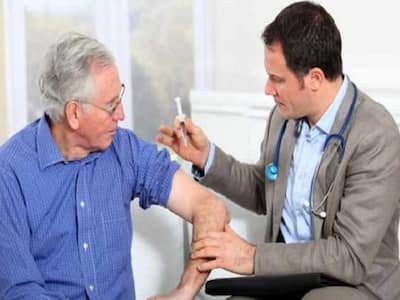
Table of Contents
In this collaborative effort, caregivers, healthcare providers, and older adults play indispensable roles in safeguarding respiratory health amidst the challenges of ageing.
Pneumonia is a grave concern for the elderly, necessitating a thorough understanding of its signs and proactive measures for both identification and prevention. As people age, their immune systems tend to wane, rendering them more susceptible to respiratory infections like pneumonia. Dr Satish, Consultant Pulmonologist at CARE Hospitals Hitech City, Hyderabad, recognizes the subtle signs of pneumonia in the elderly, which is imperative for timely intervention and improved health outcomes.
Unpacking Pneumonia
Pneumonia is an inflammatory condition affecting the air sacs of the lungs, which leads to fluid or pus accumulation. Various pathogens, including bacteria, viruses, and fungi, can cause pneumonia. It can also be caused by weakened immune defences, underlying health conditions, and age-related changes in lung function.
Decoding Signs And Symptoms In The Elderly
Identifying pneumonia in the elderly poses a unique set of challenges, as the symptoms may deviate from those observed in younger individuals. The typical indicators include a persistent cough, shortness of breath, chest pain, and confusion. Notably, fever might not always manifest, and symptoms can be elusive and mirror other age-related conditions. Hence, caregivers and healthcare providers must maintain heightened awareness, especially in the presence of risk factors.
Early Recognition For Optimal Intervention
Timely identification of pneumonia is pivotal for swift treatment and the prevention of complications. Routine health check-ups, particularly tailored for older people, are proactive in identifying potential signs and symptoms. Vigilance among caregivers is paramount; any deviations in respiratory patterns or overall well-being should prompt immediate medical attention.
Preventive Measures
A comprehensive approach to preventing pneumonia in the elderly encompasses several facets. Vaccination against prevalent pathogens, including influenza and Streptococcus pneumoniae, is a cornerstone preventive measure. In addition to vaccinations, maintaining robust hygiene practices, such as regular handwashing and steering clear of close contact with individuals exhibiting symptoms, can significantly diminish the risk of infection.
Fostering Respiratory Health
Nurturing healthy lifestyle habits contributes substantially to enhanced respiratory health in older adults. Regular exercise, coupled with a balanced diet and adequate hydration, not only supports overall well-being but also fortifies the immune system. Avoiding environmental pollutants, like tobacco smoke and air pollution, is pivotal in preserving lung health.
Home Modifications
Establishing a conducive living environment is imperative for seniors prone to respiratory infections. Adequate ventilation and proper heating and air filtration systems mitigate airborne infection risks. Additionally, addressing potential home hazards, such as slippery floors or clutter, proves instrumental in preventing accidental falls that might precipitate respiratory complications.
Collaboration With Healthcare Providers
Regular and open communication between caregivers and healthcare providers forms the bedrock of effective elderly care. Candid discussions about concerns or health status changes facilitate early detection and intervention. Healthcare professionals, armed with a comprehensive understanding of the individual's health profile, can offer personalized guidance on preventive strategies.
Conclusion
Addressing pneumonia in the elderly necessitates a holistic approach encompassing the early identification of signs and proactive preventive measures. Timely intervention and a concerted focus on respiratory health can markedly improve outcomes and elevate the overall well-being of older people. In this collaborative effort, caregivers, healthcare providers, and older adults play indispensable roles in safeguarding respiratory health amidst the challenges of ageing.




