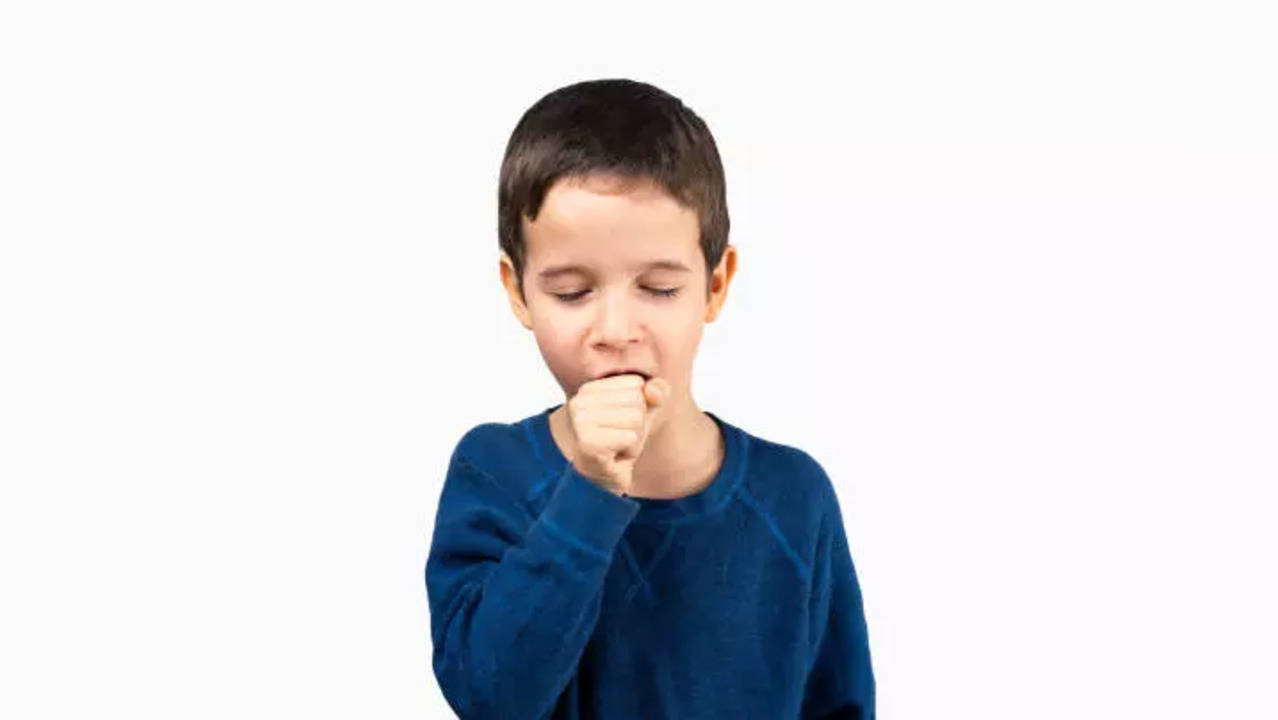
Whooping cough is a respiratory infection caused by a type of bacteria called Bordetella pertussis
If you have been suffering from a cough that has been persistent, violent, and uncontrollable - you may have the 100-day cough, also known as the Whooping Cough. According to doctors, this is a highly contagious infection that destroys your respiratory system if not treated in time.
Experts say the illness causes intense fits of coughing and mainly affects babies and young children. However, children often make a “whoop” sound when they try to take a breath after coughing spells, though this classic sound is less common in infants.
The illness often begins with the symptoms of common colds like a runny nose, sneezing, and a mild cough or fever. And after a week or two - severe coughing starts.
During coughing spells, it becomes hard for the babies and children to eat, drink, or even breathe. According to doctors, these spells last for weeks, and in babies it becomes worse, as it is fatal in some cases.
Table of Contents
What causes whooping cough?
According to the Centers for Disease Control and Prevention, this respiratory infection is caused by a type of bacteria called Bordetella pertussis.
A pertussis vaccine helps prevent the illness, but doctors say it is not 100 per cent effective. However, epidemics have occurred, especially in areas where vaccine rates have fallen.
If pertussis is spreading in an area, there is a chance that a person who has had the vaccine can still catch the disease. Doctors say the vaccine's protection also wears off over time.
Whooping Cough Signs and symptoms
A few early symptoms include:
- Common cold
- Runny nose
- Mild cough
- Fever
- Body pains
However, within two weeks the entire scenario changes and it turns into a dry and persistent cough making you breathless.
This type of severe cough also causes:
- Vomiting
- Blue or purple skin around the mouth
- Severe dehydration
- Headaches
Treatment for whooping cough
According to experts, children – mostly infants would need to be hospitalized for treatment, observation, and respiratory support. Many would even require intravenous fluids or IV for dehydration if symptoms prevent them from drinking enough fluids.
Since whooping cough is a bacterial infection, antibiotics are the primary course of treatment as they are most effective in the early stages. However, doctors say while antibiotics help treat the infection, they do not prevent or treat the cough itself.
However, cough medicines do not affect whooping cough symptoms and may carry harmful side effects for infants and small children. And so, doctors recommend using humidifiers in your child’s bedroom to keep the air moist and help alleviate a few symptoms.
Complications caused due to whooping cough
Doctors say a few serious complications can arise due to lack of oxygen if your kids are not monitored properly. A few of these include:
- Brain damage
- Pneumonia
- Seizures
- Bleeding
- Breathlessness
- Rapid shaking leading to convulsions
- Death
- Loss of bladder control