Table of Contents
Sleep apnea can happen to anyone, from infants and children to older adults. Obstructive sleep apnea, however, is more common in certain circumstances and groups of people.
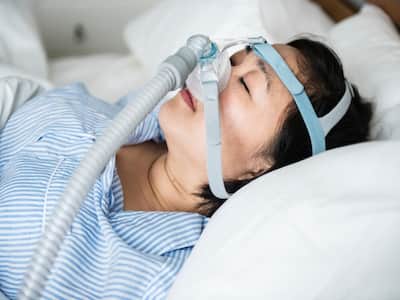
It is important to get a good night's sleep, so as to function better through the day and feel energetic. Sleep can keep the body and mind healthy, and energise the brain. But, a lot of people around the world suffer from sleep apnea, which is a serious and potentially life-threatening disorder that causes you to stop breathing while asleep. According to the Cleveland Clinic, the brain tries to protect you by waking you up just enough to breathe, but it prevents restful and healthy sleep. If this condition is not treated, it can cause serious complications over time. A new study has found that sleep apnea symptoms -- besides affecting the quality of life and contributing to mood disorders -- can have an impact on memory and thinking.
Link Between Sleep Apnea And Memory
According to reports, a Boston-based researcher -- who will present his findings at the American Academy of Neurology's Annual Meeting in April 2024 -- recently conducted a cross-sectional study to find out if there is a correlation between sleep apnea and memory problems. He arrived at the conclusion that having sleep apnea symptoms correlated with a 50 per cent increase in memory and thinking problems. The research has not yet been published in any peer-reviewed journal.
Sleep Apnea: Whom Does It Affect?
According to the Cleveland Clinic, sleep apnea can happen to anyone -- from infants and children to older adults. Obstructive sleep apnea, however, is more common in certain circumstances and groups of people:
- Before age 50, it is more common in men. After age 50, it affects women at the same rate.
- People are more likely to develop it as they get older.
- Having excess weight or obesity strongly increases the risk of developing it.
Symptoms Of Sleep Apnea
Sleep apnea has many symptoms:
- Feeling exhausted after waking up, despite getting a full night's sleep.
- Daytime sleepiness.
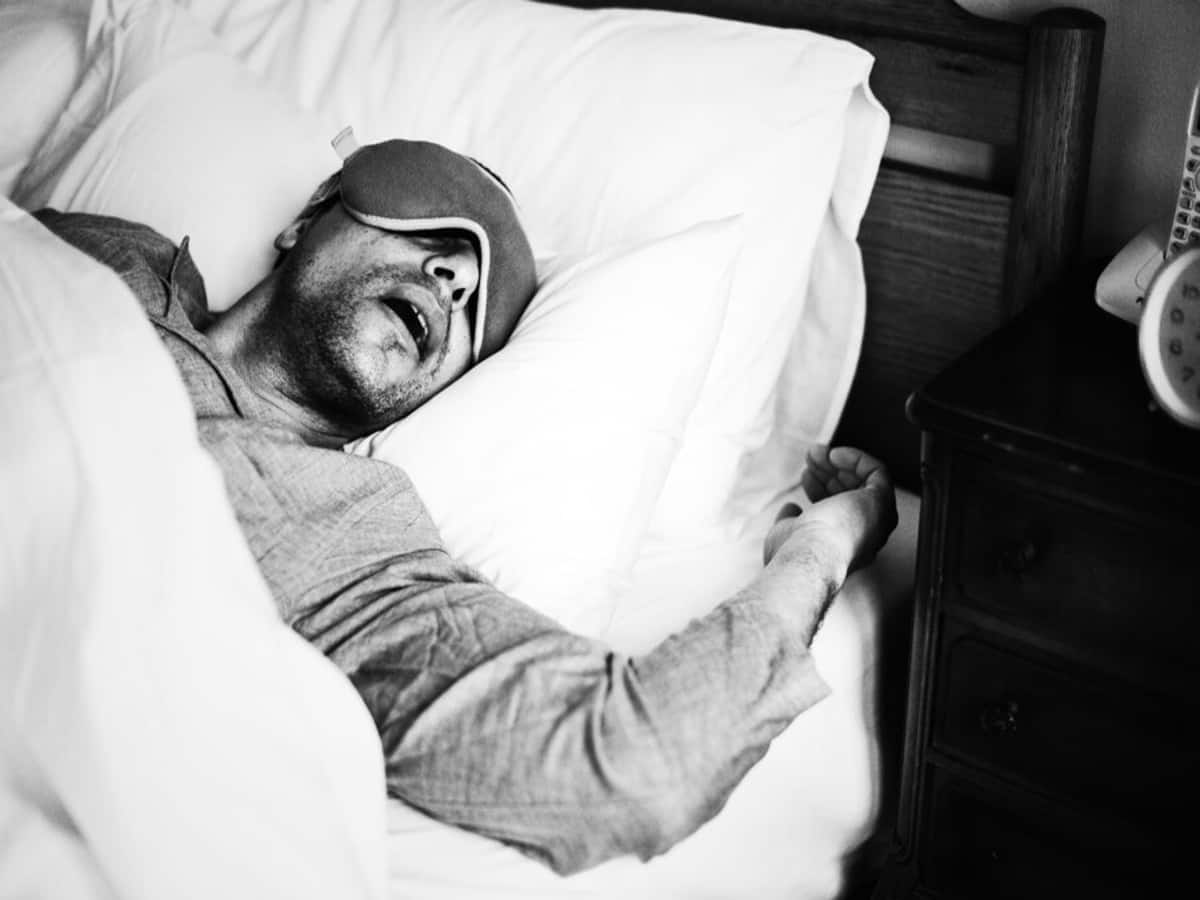
- Snoring.
- Mood changes; depression and anxiety are common symptoms.
- Disruptions in brain function, including memory loss, trouble concentrating.
- Waking up repeatedly in the middle of the night.
- Pauses in breathing while asleep.
- Unusual breathing patterns, such as Cheyne-Stokes breathing (CSB). It can happen with central sleep apnea, causing fast breathing that gets deeper and then shallower again until breathing stops altogether. After not breathing for several seconds, one tends to start breathing again.
- Insomnia.
- Night sweats.
- Waking up feeling short of breath.
- Headaches, especially when waking up.
Sleep Apnea Is Often Underdiagnosed
Keeping in mind that sleep apnea is often underdiagnosed, researcher Dr Dominique Low -- who works at Boston Medical Center in Massachusetts, and is a member of the American Academy of Neurology -- wanted to learn about the possible connection between sleep apnea and cognition. According to reports, he looked at the data from a government-funded survey called the '2017 18 National Health and Nutrition Examination Survey (NHANES)'.
The participants included 4,257 adults, aged 20 years and older. They were given a questionnaire, which had questions about their sleep quality, memory, and thinking. Dr Low reportedly used this data to understand how individuals with sleep apnea symptoms compared to those without them.
The participants also answered questions about the quality of their memory, whether there were any 'periods of confusion', and if they had 'trouble making decisions'. As many as 1,079 participants reported sleep apnea symptoms, including 'snoring' and 'gasping for breath' while asleep. Of them, 33 per cent also reported symptoms of memory and thinking problems, which is higher than the number of people without sleep apnea symptoms who also reported such problems; it was only 20 per cent.
Dr Low said in a news release: "Our study found participants who had sleep apnea symptoms had greater odds of having memory or thinking problems. These findings highlight the importance of early screening for sleep apnea."

Don’t Miss Out on the Latest Updates.
Subscribe to Our Newsletter Today!