VERIFIED
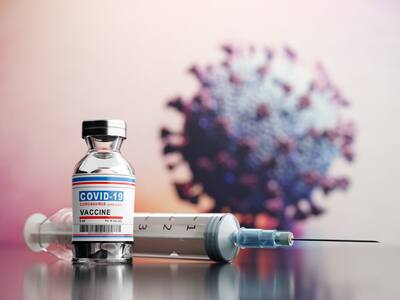
Table of Contents
Fully vaccinated? You are still at risk of catching JN.1 variant, but there’s a catch. Read on to know essential tips to stay protected from COVID infection.
The COVID-19 pandemic continues to ravage the world, with new variants emerging and intensifying the battle against this deadly virus, and just when it seemed like things were getting better, a new variant has emerged - JN.1. This variant, also known as the sub-lineage of the Omicron variant, has raised concerns among health experts due to its potential to spread rapidly and cause severe illness. In this article, we will delve into the JN.1 variant, its symptoms, and important measures to stay safe from it.
The JN.1 variant is a mutated form of the highly dangerous SARS-CoV-2 virus that causes COVID-19. According to the data, over 10 states in India have confirmed the presence of this new variant in the last few weeks, with some new and different symptoms reported by the patients. As per the experts, this variant has a few extra mutations in its spike protein, giving rise to some unique characteristics that make it more transmissible and potentially more dangerous than previous COVID-19 virus strains.
Now the question is how can one stay safe from catching this virus variant and what precautions should one take to avoid any kind of serious health complications due to the current dominant JN.1 variant. To answer all our queries and concerns regarding the new variant JN.1 and the severity of the infection, we have Dr Dhiraj Majumdar, Apollo Hospitals, with us. Let's understand more about the JN.1 variant of COVID-19 and how you can keep your immunity on track to protect your body from catching the virus.
How To Stay Safe From JN.1 COVID-19 Variant?
One of the primary ways to stay safe from the JN.1 variant is to be aware of its symptoms. While many of the symptoms are similar to those of the original COVID-19 strain, there are some distinguishing features to watch out for. In a recent warning, UK health officials stated that a person infected with the latest JN.1 variant of COVID-19 may experience two new symptoms of COVID-19 JN. variant - increased stress levels and sleep disturbances (insomnia). Apart from these two new symptoms, some of the common signs of COVID-19 infection include:
- Fever
- Cough
- Shortness of breath
- Fatigue, and
- Loss of taste or smell
However, the JN.1 variant has also shown a tendency to cause more severe symptoms such as difficulty breathing, chest pain, and a persistent high fever. It is crucial to monitor any changes in your health and seek medical attention if you experience these symptoms.
Can Vaccines Protect You From JN.1 COVID Variant?
Vaccination plays a very important role in protecting oneself against developing serious symptoms of the COVID-19 infection, including the JN.1 variant. Fortunately, existing COVID-19 vaccines (Covishield, and Covaxin), have shown effectiveness against the JN.1 variant. However, it is essential to ensure that you are fully vaccinated with the recommended doses. If you haven't received your vaccination yet, make it a priority to schedule your appointment as soon as possible. Vaccination not only reduces the risk of severe illness but also contributes to curbing the spread of the JN.1 variant.
Other Measures To Stay Safe From Coronavirus
While vaccination is crucial, it is not the sole measure that needs to be taken to stay safe from the JN.1 variant. Another important tip to keep in mind is to adhere to all the essential preventive measures. Firstly, continue to follow good hand hygiene practices, such as frequently washing your hands with soap and water or using hand sanitizers. Additionally, always wear a well-fitted N95 face mask in public places, especially in crowded areas, and ensure it covers your nose and mouth properly. Also, it is important to avoid close contact with individuals who are sick or exhibiting COVID-19 symptoms such as cold, cough, fever, sneezing, etc.
Another important measure to keep in mind when trying to stay safe from catching COVID-19 is maintaining social distancing. Keep a safe distance from others, especially in crowded settings or when attending social gatherings. Avoid non-essential travel, particularly to areas with a high prevalence of COVID-19 cases. If you must travel, ensure that you follow all safety precautions recommended by health authorities.
Bottom Note
Furthermore, it is recommended to stay updated with the latest information and guidelines provided by health authorities and government agencies. The COVID-19 situation is dynamic and rapidly evolving, necessitating constant vigilance. By staying informed about the current status of the JN.1 variant and adhering to the recommended practices, individuals can effectively protect themselves and their communities.
For more updates like this, stay tuned to our website TheHealthsite.com, and follow our WhatsApp channel, here: surl.li/ozhrc

Don’t Miss Out on the Latest Updates.
Subscribe to Our Newsletter Today!