
Newsday Reporter
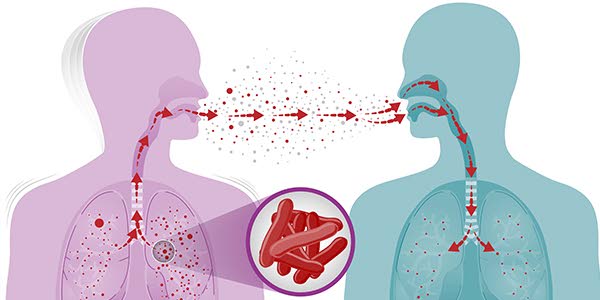
Tuberculosis (TB) is an infectious disease caused by the bacteria mycobacterium tuberculosis. The bacteria spreads through the air from person to person and mainly attacks the lungs, but it can affect other areas of the body.
The majority of people exposed to the bacteria don’t experience tuberculosis symptoms right away. Instead, the infection may go through three stages.
Primary infection: This is when the bacteria first enter the body. In many people this causes no symptoms, but others may experience fever or respiratory symptoms. Most people with a healthy immune system will not develop any symptoms of infection, but in some people the bacteria may grow and develop into an active disease. Most primary tuberculosis infections are asymptomatic and followed by a latent infection.
Latent infection: The bacteria is in the body and can be found through tests, but is not active. During this stage you don’t experience symptoms and can’t spread the disease to others.
Active disease: The bacteria are active and multiplying. You’ll feel sick and it will be contagious. It’s important at this point to seek immediate treatment to avoid complications and infecting others.
The vast majority of people don’t have a problem because the organism enters their body and is then handled by their immune system. Tuberculosis is more likely to enter the active phase in people who have acquired the infection recently (within two years). It's also more likely to be active among those whose immune systems are weakened as a result of malnutrition, old age, infection with HIV, immunosuppressant drugs, or among people who are on dialysis.
Many people with tuberculosis won’t know they have it unless they get tested because there won’t be any symptoms from latent infection. Once tuberculosis becomes active, symptoms may not show up in full force right away. The first thing you may notice is a bad cough that doesn’t go away, or chest pain. Other symptoms of active tuberculosis may include a general sense of being unwell; coughing blood or phlegm; chest pain; shortness of breath; loss of weight and appetite; night sweats; intermittent fever; generalised body aches; fatigue.
Tuberculosis is spread through the air, so you can only get it by breathing contaminated air. If someone who is actively sick talks, coughs, sneezes, or speaks they can spread the disease. Risk factors for tuberculosis include poverty; HIV infection; homelessness; being in jail where close contact can spread infection; substance abuse; taking medication that weakens the immune system; kidney disease and diabetes; organ transplants; working in healthcare; exposure to air pollution; cancer; smoking tobacco; pregnancy; age, specifically babies, young children and elderly people.
Diagnosing tuberculosis can be a complex process. A person’s history and the likelihood they were exposed to someone with active disease is vital. A series of screenings and tuberculosis tests may be needed in order to confirm tuberculosis and then a course of treatment has to be decided upon. Since latent infection has no symptoms and fewer bacteria are present, it can only be found through screening tests.
Testing for TB
1. The first test used to find tuberculosis is the tuberculin skin test, also known as the Mantoux test or PPD (purified protein derivative).
2. The interferon gamma release assay test measures the body's immune response to the presence of tuberculosis. The test is done in a lab after a blood sample is drawn.
3. Additional lab tests can determine which strain of TB bacteria a person has and which antibiotics are most effective.
4. Chest X-rays may be done to look for signs of tuberculosis in the lungs.
5. Computerised tomography scans may be used to look for tuberculosis in the spine or to get better views of the lungs if X-ray images are unclear.
6. An MRI of the spine or brain may be done if the tuberculosis infection has spread to those areas.
7. Bone scans can be used to tell the difference between cancerous lesions and those caused by tuberculosis.
8. Sputum is the mucus that comes up when you cough. Samples of sputum can be directly examined in a lab for tuberculosis.
9. Molecular tests can be used to detect the bacteria's genetic material and help identify which antibiotics will work best.
10. A biopsy of the lungs, lymph nodes, or other tissues may be cultured to grow the bacteria and make it easier to see under a microscope.
Treatment
Tuberculosis bacteria takes a long time to be killed off, so treatment can last for six months or longer. People with latent tuberculosis will probably only need to take one or two drugs, while those with active tuberculosis may need a combination of three to four. Remembering to take medicine for such a long period of time can be challenging. One of the biggest worries during tuberculosis treatment is people stopping their medication before all the bacteria dies. The leftover bacteria can continue to grow and become resistant to antibiotics. This makes the disease much more dangerous and harder to treat. Treatment of tuberculosis is one that is co-ordinated by hospital and public health department for effective follow up, monitoring and surveillance.
Prevention
■ Keeping your immune system healthy and avoiding exposure to someone with active tuberculosis is the best way to prevent infection.
■ Identifying and treating cases of latent tuberculosis before the disease can become active is also important, particularly in high-risk populations.
■ To prevent the transmission of tuberculosis in healthcare settings, it is recommended that all healthcare personnel be screened for tuberculosis when they’re hired.
■ Improving ventilation in indoor spaces so there are fewer bacteria in the air
■ Using germicidal UV lamps to kill airborne bacteria in buildings where there are people at high risk of infection.
If left untreated tuberculosis can affect other parts of the body beyond the lungs. Back pain, joint damage, and liver or kidney problems can result, as can swelling of the membranes around your brain. Ultimately, if untreated it can be fatal.
Contact Dr Maxwell on 363-1807 or 757-5411.





