Screen Shot 2024-03-01 at 8.11.27 AM
The respiratory disease referred to as “strangles” Streptococcus equi equi is aptly nicknamed. Afflicted horses, mules and donkeys can develop bacterial infections of the guttural pouch or lymp nodes, causing breathing problems, according to Wyoming Assistant State Veterinarian Dr. Rose Digianantonio. The disease is highly contagious and there are limited treatment options.
Digianantonio said, “We see it more commonly in young horses that have never been exposed to it or immunocompromised horses. Older horses that have possibly seen it before don’t have it as severely as younger horses.”
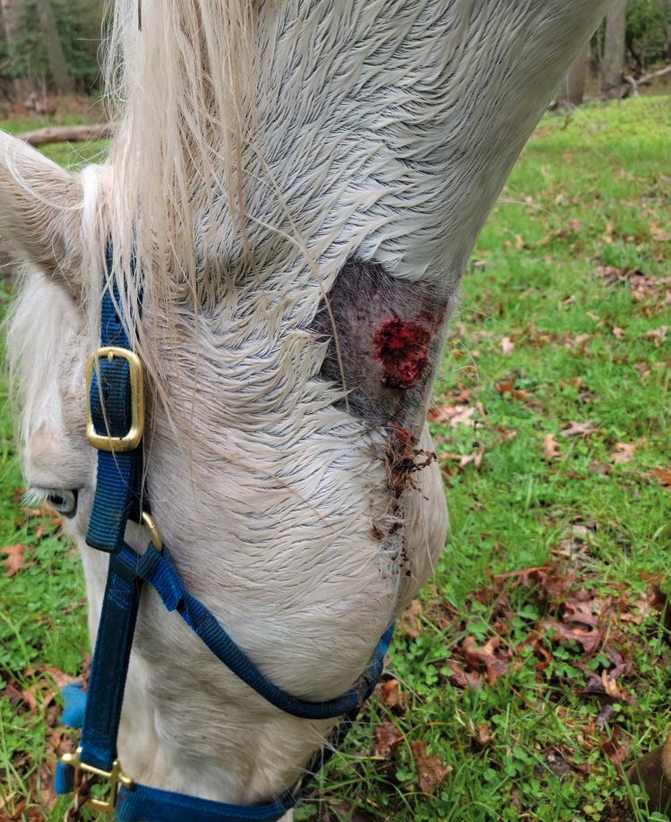
Digianantonio said some of the first signs of strangles include lethargy, nasal discharge and fever. Dr. Dallas Shaw, a practitioner from Buffalo, Wyo., said that horse owners can also look for increased respiratory rate and swelling under the jaw for early indications. The area under the jaw and neck may also form abscesses.
Testing is best done when horses are symptomatic. A sample is sent to the state veterinary lab for confirmation. If confirmed, the prescribed course of action is to isolate the animal and work with one’s veterinarian for treatment options, if any are necessary.
Shaw knows of nearly three dozen cases of strangles in her practice in the past month.
TREATMENT
Digianantonio asserts that there are no clear-cut treatments for strangles, and owners should work with their veterinarian on a case-by-case basis. She said, “Usually care and rest is all you need, and keeping that animal isolated from other horses. Sometimes, you might need more intensive treatments, which can include antibiotics or trying to clear out any infections in lymph nodes or guttural pouches.”
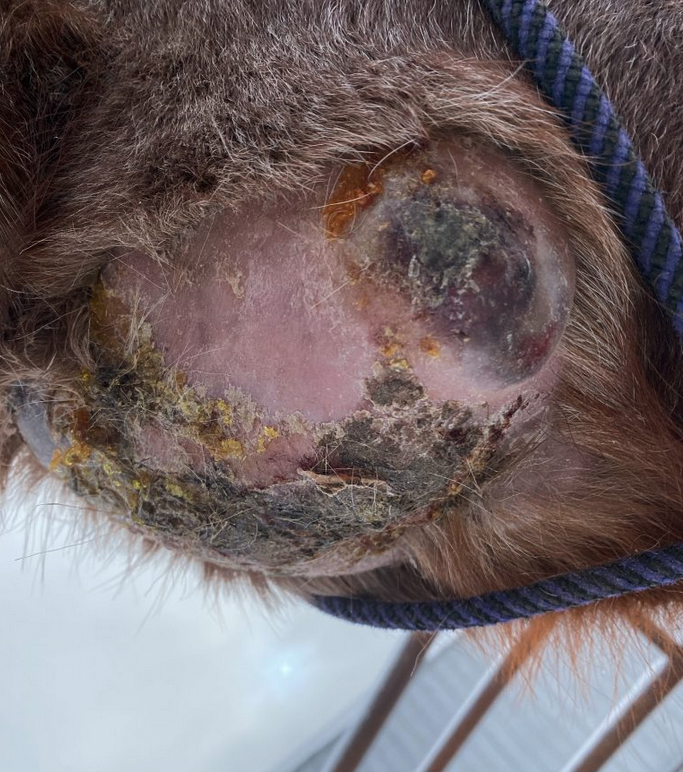
Dr. Shaw said that the typical treatment for strangles is to “wait it out.” She goes on, “You can treat with banamine to help with the fever, but normally I don’t give strangles horses antibiotics unless it becomes a complicated case.” Using antibiotics may prolong the disease, increasing the risk for “bastard strangles,” in which the horse abscesses internally. This can result in death.
After graduating from the College of Veterinary Medicine at Washington State University, Shaw worked in Sunset, Texas. According to her, strangles was extremely prevalent in Texas and it was common practice for horse farms to let it run its course in order to build up herd immunity.
PREVENTION
A vaccination exists for strangles, but its efficacy is moderate, according to Digianantonio. The vaccine should be used with caution in the face of a current outbreak.
Shaw said, “I don’t use the vaccine. It can cause more harm than good, so I do not do that. When I was in [vet] school, they didn’t recommend it.”
The American Association of Equine Practitioners website states, “Strangles vaccines are considered ‘risk-based’ vaccines […] Purpura hemorrhagica (an over-active immune response which can result in swelling of limbs, head, and small hemorrhages on the gums) can be associated with vaccine administration.”
Strangles is spread largely through nose-to-nose contact, so the best prevention is isolation. Digianantonio advises to “deal with healthy horses before you’re dealing with sick horses. We don’t have great treatment options for strangles, so the best approach is to try to prevent exposure.”
“It doesn’t live in environments super well, but it can be spread through shared buckets. Horses can be shedding if for a few weeks even if they’ve stopped having clinical signs. That’s partly why we see outbreaks. They can be not clinical and still shedding through nasal secretions.”
Pens, waterers, feeders, et cetera should be decontaminated after afflicted horses have touched those surfaces. Generally, contaminated surfaces should be cleaned of organic debris and then disinfected following the chosen disinfectant instructions. The AAEP site reads, “Select a disinfectant that has documented effectiveness in the presence of 10% organic matter, works in the water hardness of the locale, and is safe to use around horses and humans.” Further biosecurity guidelines can be found on the AAEP website.
New horses should be kept in isolation before introduction to the herd. Swings in temperature may compromise horses, so also keeping them dry and out of the cold, if possible, and in ventilated areas is recommended.
Digianantonio said, “If you have any questions or concerns, definitely talk to your veterinarian. They can help you out with recommendations for prevention and treatment.”